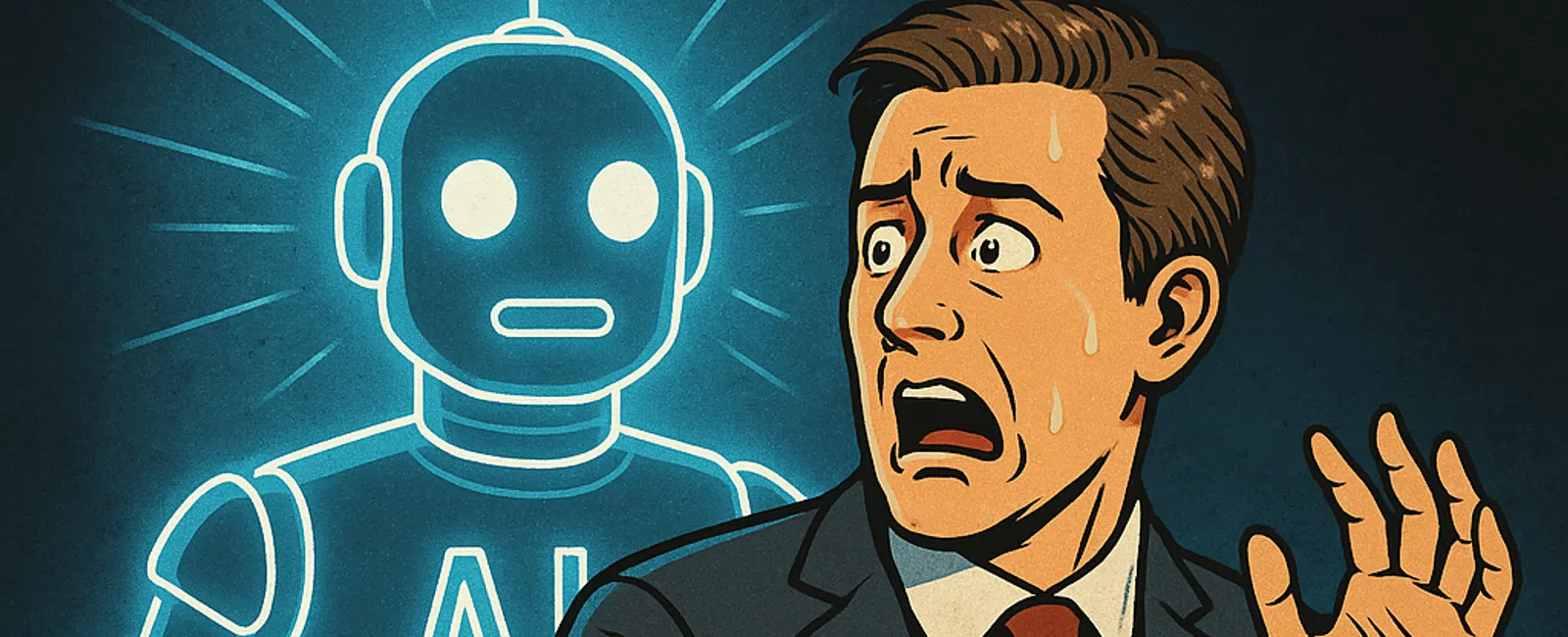
Artificial Intelligence is evolving at lightning speed, transforming the way businesses operate. While these advancements are thrilling, they also open doors for cybercriminals armed with the same AI tools. Let's illuminate some of the hidden dangers lurking in this new digital landscape.
Beware Your Digital Doubles - The Rising Threat of Deepfake Video Scams
Deepfake technology powered by AI has reached startling levels of realism, and hackers are exploiting this to mastermind sophisticated social engineering attacks.
Take, for example, a recent case where a cryptocurrency foundation employee encountered multiple deepfakes impersonating top executives during a Zoom call. These fake leaders coaxed the employee into downloading a suspicious Zoom extension granting microphone access, enabling a North Korean hacker breach.
To defend your business, scrutinize video calls carefully for signs like mismatched facial features, unnatural pauses, or odd lighting conditions that might signal a deepfake.
Unmasking Phishing Emails - How AI is Evolving Email Threats
Phishing emails have always posed dangers, but AI's ability to craft flawless messages has erased many traditional red flags like poor grammar or typos.
Attackers now harness AI to translate phishing content dynamically, scaling their campaigns globally with ease.
Nevertheless, tried-and-true security measures remain effective. Implementing strong protections like multifactor authentication (MFA) adds a crucial barrier against unauthorized access, while comprehensive security awareness training empowers your team to spot urgent or suspicious messages that AI might send.
Beware Fake AI Tools - Malware Disguised in Innovative Packaging
Cybercriminals are capitalizing on AI's popularity by distributing malicious software disguised as AI tools. These fake apps often incorporate just enough legitimate features to appear credible, but are actually loaded with harmful malware beneath the surface.
For example, a TikTok campaign promoted "cracked software" to bypass licenses for apps like ChatGPT via PowerShell commands. This was a covert malware distribution operation, later uncovered by security researchers.
To shield your organization, ensure all new AI tools are thoroughly vetted with your Managed Service Provider (MSP) before installation, complemented by security training to raise awareness.
Ready to Safeguard Your Business Against AI-Driven Threats?
Don't let AI-enabled risks disrupt your peace of mind. Though cyber attackers are becoming more sophisticated, strategic defenses keep your business ahead of these AI-powered threats, from realistic deepfakes to clever phishing and deceptive AI tools.Click here or call us at 506-383-2895 to book your free 15-Minute Discovery Call today, and discover how to protect your team from the darker side of AI before it escalates into a serious issue.